
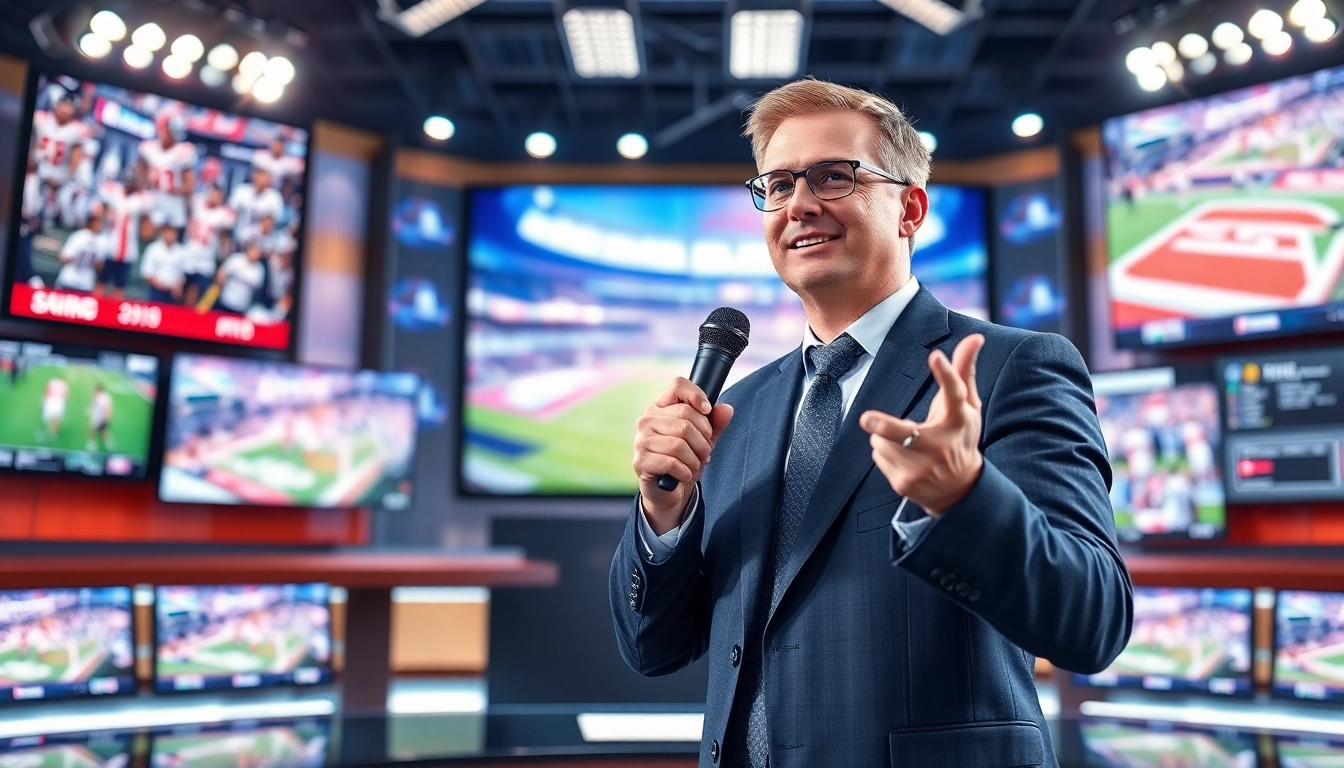
Understanding the Landscape of Sports Broadcasting
Definition and Importance of Sports Broadcasting
Sports Broadcasting refers to the distribution of sports events via various media platforms, including television, radio, and online streaming services. It plays a pivotal role in enhancing public engagement with sports, enabling fans to experience events live or on-demand, no matter their location. The impact of Sports Broadcasting extends beyond entertainment; it contributes significantly to the economy, influencing advertising revenues, sponsorships, and even local businesses surrounding major events.
Historical Evolution of Sports Broadcasting
The journey of sports broadcasting began in the early 20th century, with radio transmissions bringing sports into homes for the first time. The 1930s saw the advent of television broadcasts, enabling fans to visually connect with their favorite teams and athletes. With each technological advancement—from the introduction of color broadcasting in the 1960s to cable television’s explosion in the 1980s—sports broadcasting has continually adapted and expanded, paving the way for its current digital landscape.
Current Trends Reshaping Sports Broadcasting
Today, sports broadcasting is undergoing transformative changes driven by technology and audience expectations. Streaming services are rapidly gaining popularity, allowing viewers to customize their sports viewing experience. Additionally, the integration of social media enables real-time engagement and interaction, transforming passive viewers into active participants. Moreover, data analytics is increasingly being leveraged to enhance viewer experience and engagement, making sports broadcasting more dynamic than ever before.
Key Components of Successful Sports Broadcasting
Technical Aspects: Equipment and Software
Effective sports broadcasting relies heavily on advanced technical components, including high-definition cameras, broadcasting software, and reliable transmission equipment. The seamless integration of these tools is crucial for delivering high-quality content. Broadcasters invest in cutting-edge technology such as drones for aerial shots and augmented reality graphics to enhance storytelling, making broadcasts more immersive and engaging for viewers.
Content Creation: Engaging Storytelling Techniques
Storytelling is at the heart of successful sports broadcasting. Broadcasters must craft narratives that resonate with audiences, whether through athlete profiles, team histories, or game-day excitement. Techniques such as player interviews, behind-the-scenes footage, and expert analysis not only inform but also captivate viewers. Effective use of visuals, sound bites, and social media snippets can elevate a broadcast, creating an emotional connection that keeps audiences coming back.
Audience Interaction: Building Engagement
In the current digital age, fostering audience interaction is vital. Engaging viewers through social media platforms, live polling during broadcasts, or even providing platforms for viewer opinions enhances the viewing experience. Encouraging fan participation creates a community surrounding a team or event, resulting in heightened interest and loyalty over time.
Strategies for Optimizing Sports Broadcasting
Leveraging Social Media for Reach
Social media serves as a powerful tool in expanding the reach of sports broadcasts. By promoting events and highlights on platforms like Twitter, Instagram, and Facebook, broadcasters can attract new viewers and keep existing fans engaged. Creating shareable content, such as exciting highlights and athlete interviews, encourages users to spread the word, effectively acting as ambassadors for the broadcast.
Utilizing Analytics to Measure Performance
Data analytics plays a crucial role in understanding audience preferences and behaviors. Broadcasters can utilize analytics tools to track viewer statistics, engagement rates, and content performance across different platforms. This data-driven approach enables broadcasters to make informed decisions about future content, ensuring that it resonates with their target audience and meets their expectations.
Best Practices for Live Broadcasting Events
Live broadcasting requires meticulous planning and execution. Best practices include thorough pre-event preparation, including equipment checks, creating detailed run sheets, and having contingency plans in place. Employing a skilled production team, ensuring clear communication, and leveraging feedback from viewers during live events are essential in delivering a seamless and high-quality viewing experience.
Challenges in the Sports Broadcasting Industry
Addressing Viewer Expectations
As technology advances, so do viewer expectations. Audiences now expect high-quality visuals, engaging commentary, and interactive capabilities. Broadcasters must constantly innovate to meet these standards, which can be challenging in an ever-evolving landscape. Conducting regular viewer feedback surveys and staying attuned to emerging trends can help broadcasters remain relevant and competitive.
Navigating Legal and Rights Issues
Legal and rights issues pose significant challenges in sports broadcasting. Negotiating broadcasting rights can be complex and costly, with various stakeholders involved. Broadcasters must also ensure compliance with copyright laws and regulations, which can vary by region. Strategies include forming partnerships with rights holders and investing in legal expertise to navigate these complexities effectively.
Handling Technological Disruptions
Technological advancements can disrupt traditional broadcasting methods. The rise of streaming services and mobile applications offers both challenges and opportunities. Broadcasters must adapt to these changes by embracing new technologies and platforms to reach audiences effectively. Continuously investing in innovation ensures that broadcasters stay competitive in this digital age.
The Future of Sports Broadcasting
Innovations on the Horizon
The future of sports broadcasting is rich with possibilities, driven by technological advancements. Innovations such as 5G networks, artificial intelligence, and blockchain technology are set to revolutionize how sports content is produced and consumed. These developments will not only enhance viewer experience but also create new opportunities for monetization and engagement.
The Role of Virtual and Augmented Reality
Virtual and augmented reality are beginning to reshape sports broadcasting by providing viewers with immersive experiences. These technologies allow audiences to feel as if they are part of the game, exploring stadiums and interacting with athletes in ways previously unimaginable. As VR and AR continue to evolve, their integration into sports broadcasting will enable more dynamic storytelling and interaction.
Adapting to Audience Shifts and Preferences
The modern audience is diverse and constantly changing. Broadcasters must remain flexible and adaptable to cater to shifting viewer preferences, whether they prefer short highlights on social media or in-depth analyses on dedicated platforms. Personalization and on-demand content are key trends, and understanding these preferences is essential for broadcasting success.
FAQs
What is sports broadcasting?
Sports broadcasting is the distribution of sports events via television, radio, or online streaming, enabling fans to experience live or recorded events.
How has technology impacted sports broadcasting?
Technology has transformed sports broadcasting through high-definition visuals, social media engagement, and data analytics, enhancing viewer experience and interaction.
What are the challenges faced in sports broadcasting?
Challenges include meeting viewer expectations for quality, navigating legal rights issues, and adapting to technological disruptions.
Why is audience engagement important in sports broadcasting?
Audience engagement fosters community around sports, enhances viewer loyalty, and increases ratings, crucial for the financial success of broadcasts.
What is the future of sports broadcasting?
The future includes advancements in VR, AR, and 5G technology, offering immersive experiences and new content consumption models for audiences.