Understanding Window Tinting Basics
What is Window Tinting?
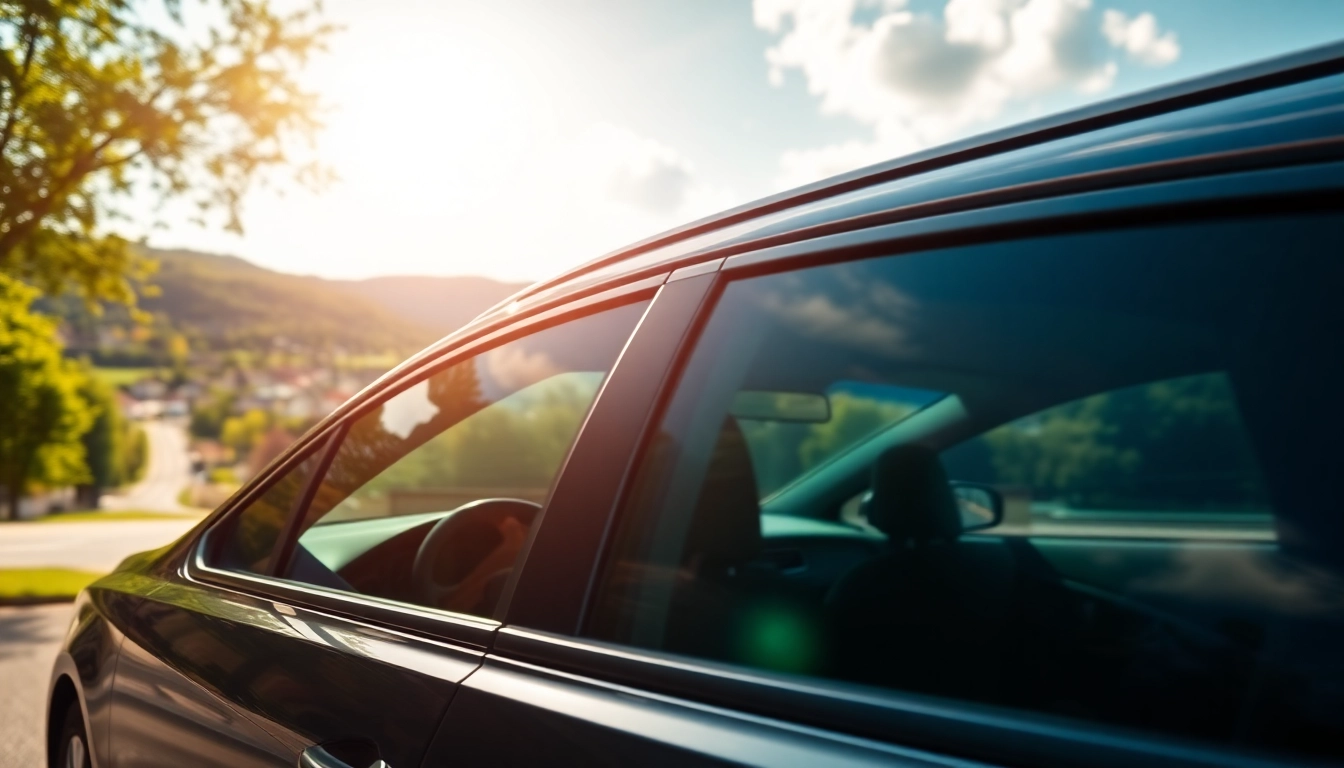
Window tinting is the process of applying a thin film to the interior or exterior of glass surfaces in automobiles and buildings. The primary purpose is to reduce sunlight and provide privacy while enhancing aesthetics. The tint can vary in darkness and color, which affects visibility and heat reduction. This process not only improves comfort but can also protect interiors from fading caused by UV rays. When considering the best window tint Chattanooga TN, understanding the fundamentals of tinting is crucial.
Types of Window Tint Films
There are various types of window tint films available, each designed to serve different purposes. These include:
- Dyed Window Films: These films use color dyes to absorb heat. They are an economical choice and primarily useful for privacy.
- Metalized Window Films: Containing tiny metallic particles, these films effectively reflect heat and block harmful UV rays, enhancing durability.
- Ceramic Window Films: Known for their high-performance characteristics, these films offer superior heat rejection while maintaining visibility and UV protection without metal.
- Hybrid Films: Combining features of dyed and metalized films, hybrid films provide both privacy and heat rejection.
- Static Cling Films: Designed for easy installation and removal, these films adhere to windows using static rather than adhesive.
Benefits of Window Tinting
Window tinting offers numerous advantages, including:
- Improved Comfort: By reducing heat and glare from the sun, window tinting enhances comfort levels inside vehicles and buildings.
- UV Protection: Tinted windows can block up to 99% of harmful UV radiation, significantly reducing the risk of skin cancer and protecting the interior materials from fading.
- Energy Savings: Properly tinted windows can reduce energy consumption by maintaining a stable temperature, decreasing air conditioning costs.
- Increased Privacy: Tinted windows provide added privacy and security, making it harder for outsiders to see inside.
- Aesthetic Appeal: Tinted windows can enhance the overall look of a vehicle or building, giving it a sleek and polished appearance.
Choosing the Best Window Tint Chattanooga TN
Factors Affecting Tint Selection
When selecting window tint, consider several crucial factors:
- Purpose: Determine the primary reason for tinting—whether it’s for heat rejection, privacy, or aesthetics.
- Legal Regulations: Familiarize yourself with local laws regarding tinting levels, as these can vary significantly.
- Climate: If you live in a hotter area, opt for films with higher heat rejection capabilities.
- Personal Preference: Consider your style and how much visibility you want, factoring in your vehicle or home’s overall design.
Comparing Different Tint Options
To make an informed choice, compare the various tint options based on performance and cost:
- Cost vs. Benefits: Cheaper films may not provide adequate heat or UV protection, potentially leading to higher energy costs over time. Investing in quality tint can save money long-term.
- Performance: Look for films with high solar heat gain coefficients and low visible light transmission ratios to ensure optimal performance.
- Warranty: Check if the tint comes with a warranty, which can be a good indicator of quality. Reputable brands often offer warranties spanning several years.
Professional Installation vs. DIY
Deciding between professional installation and a DIY approach can significantly affect the outcome:
- Professional Installation: Experts ensure a precise fit, minimizing bubbles and imperfections, while also offering warranties on their work. While it typically costs more, the result is usually superior.
- DIY Installation: This can save money if you have sufficient skills and tools; however, improper installation can lead to visual imperfections and reduced performance. There are many instructional videos and resources to help, but weigh the risks carefully.
Environmental Benefits of Tinting
Energy Efficiency and Cost Savings
Window tinting significantly enhances energy efficiency in homes and vehicles by reducing heat absorption. In summer months, tinted windows can lower cooling costs by as much as 30%, allowing your HVAC system to operate more efficiently. This reduction not only leads to lower energy bills but also decreases overall carbon emissions, contributing to a greener environment.
Reducing UV Exposure
UV radiation has harmful effects on both human health and materials. Tinted windows are particularly effective at blocking these rays, decreasing exposure by up to 99%. This is crucial for maintaining skin health and reducing the risk of diseases associated with prolonged UV exposure. Moreover, it protects interior furnishings from fading, which can prolong their lifespan.
Longevity and Vehicle Protection
Quality window tints are designed to last for many years, reducing the need for frequent replacements. This durability contributes to waste reduction and environmental sustainability. Additionally, window tinting protects your vehicle’s interior from the damaging effects of sun exposure, thereby maintaining its resale value. Protecting surfaces and materials means less need for replacements, leading to less environmental disruption.
Legal Considerations for Window Tinting
Tinting Regulations in Chattanooga
Understanding local regulations surrounding window tinting is vital. In Chattanooga, specific laws dictate the darkness and reflectivity of tints. Familiarizing yourself with these regulations ensures compliance, avoiding potential fines and the need for costly removal or alteration.
Understanding VLT (Visible Light Transmission)
Visible Light Transmission (VLT) is a measure of how much light can pass through your windows. The lower the percentage, the darker the tint. Regulations often specify VLT limits for different windows in your vehicle or home. It’s essential to choose a tint that complies with these legal requirements to avoid fines and ensure safety.
How to Stay Compliant with Local Laws
To remain compliant with local tinting laws, take the following steps:
- Research local regulations regarding VLT limits for different vehicle windows.
- Consult with professionals to confirm that your chosen tint meets these regulations before installation.
- Keep documentation of the tint specifications and installation receipt in case it is needed for inspections.
Maintaining Your Window Tint
Best Practices for Care and Maintenance
To ensure longevity and optimal performance of your window tint, follow these maintenance tips:
- Wait at least two weeks after installation before cleaning the windows to allow the film to cure properly.
- Use a soft cloth or microfiber towel to clean your tinted windows, avoiding harsh chemicals that can damage the film.
- Clean with a gentle soap solution or a dedicated window film cleaner to avoid streaking and preserve the film's integrity.
Signs of Damage to Watch Out For
Regular inspections can help catch issues early. Look for signs of damage such as:
- Bubbles or peeling edges around the tint.
- Discoloration or fading, indicating degradation of the film.
- Scratches or tears that affect the visual appeal or integrity of the tint.
When to Replace Your Window Tint
Window tint typically lasts many years, but various factors can prompt a replacement:
- Visible signs of damage or degradation.
- A desire to upgrade to a newer, more effective film.
- Changes in legal regulations requiring compliance with updated standards.
Frequently Asked Questions
1. How much does window tinting cost in Chattanooga?
Costs can vary based on the vehicle type and window size, typically ranging from $200 to $600 for professional installation. Premium films may incur additional charges.
2. How long does window tinting last?
Quality window tint can last anywhere from 5 to 15 years, depending on the material, exposure to the sun, and maintenance. Regular care can extend its lifespan.
3. Can window tint be removed?
Yes, window tint can be removed professionally, especially if it becomes damaged or you wish to change it. DIY removal can lead to scratching, so expert help is recommended.
4. Is window tinting worth the investment?
Absolutely. The benefits, including UV protection, energy savings, comfort, and increased vehicle value, typically outweigh the initial investment costs of tinting.
5. Are there any legal limits on window tinting in Chattanooga?
Yes, Chattanooga has specific regulations on the allowed darkness of window tinting. It's essential to check local laws to ensure compliance and avoid fines.