
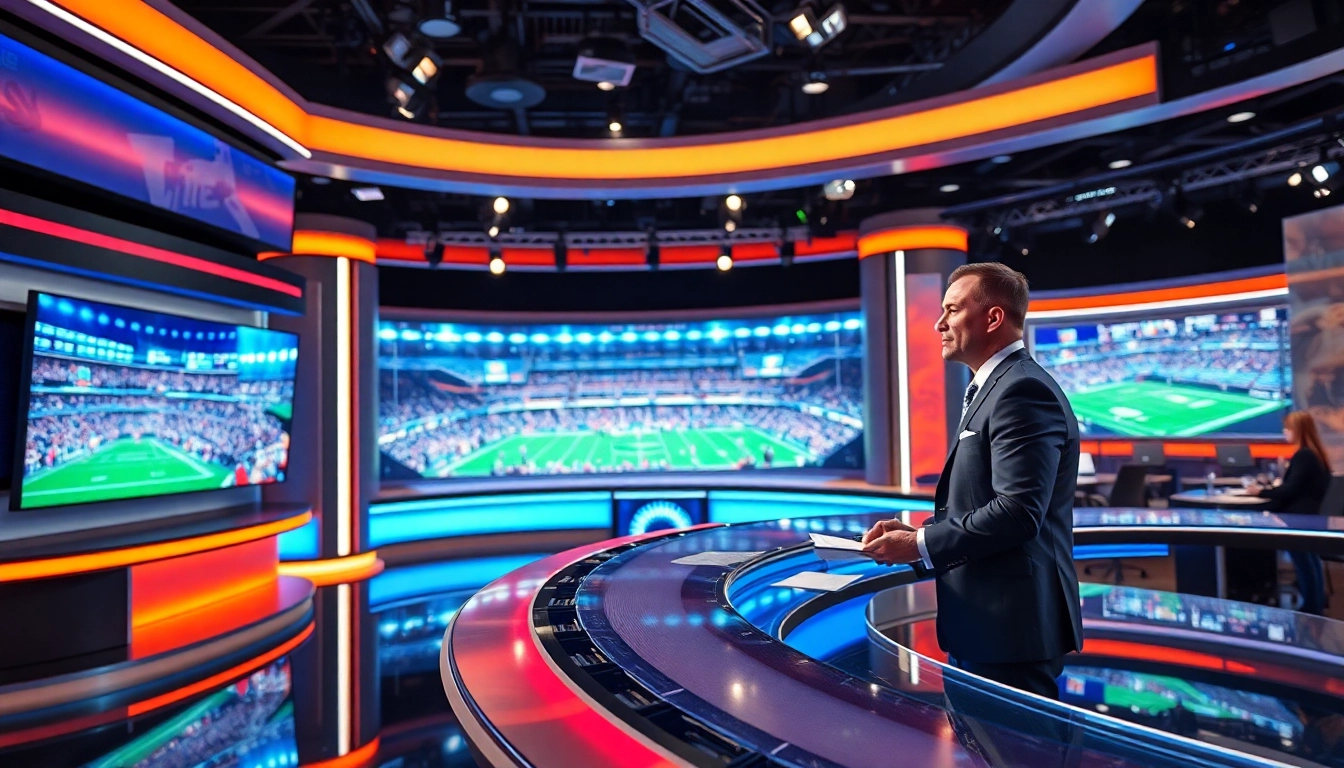
Understanding the Basics of Sports Broadcasting
Sports Broadcasting plays a critical role in connecting fans with their favorite sports and athletes. It not only disseminates information but also elevates the experience for viewers, bringing the action to life. It encompasses a variety of formats, from live telecasts to recorded highlights, integrating technology and storytelling to engage audiences. For an in-depth exploration of Sports Broadcasting, visit Sports Broadcasting. This article will unravel the intricacies of this fascinating world.
What is Sports Broadcasting?
At its core, Sports Broadcasting refers to the transmission of sports events and related content to an audience via television, radio, or digital platforms. It serves several purposes, including entertaining fans, providing analysis, and covering the broader sports culture. This multifaceted field combines the excitement of sports with the foundational elements of journalism, aiming to deliver timely, accurate, and engaging content to sports enthusiasts worldwide.
The Role of Technology in Sports Broadcasting
Technology has revolutionized sports broadcasting, transforming how sports are consumed and understood. From high-definition cameras that capture every angle to drones providing breathtaking aerial views, technological advancements have made sports more accessible. Moreover, tools like instant replay enhance the viewing experience, allowing audiences to relive key moments. Furthermore, streaming services have emerged, enabling live broadcasts anytime and anywhere, catering to the on-the-go viewer.
Key Terminologies in Sports Broadcasting
Understanding common terminologies is essential for aspiring sports broadcasters. Some key terms include:
- Play-by-Play: The real-time commentary describing the action as it unfolds.
- Color Commentary: Analysis and insights provided during the broadcast, often adding context to the play-by-play narration.
- Telecast: The transmitting of televised programming, specifically regarding sporting events.
- Graphics: Visual elements such as statistics, player bios, and scoreboards that are displayed during the broadcast.
- Coverage: The extent and depth of reporting on a particular sports event or league.
Essential Skills for Sports Broadcasters
Communication Techniques in Sports Broadcasting
Effective communication is paramount in Sports Broadcasting. Broadcasters must articulate their thoughts clearly and quickly, ensuring that audiences grasp the nuances of the game. Techniques such as pacing, tone modulation, and audience engagement are vital. For instance, using a conversational tone can create a more relatable experience for viewers, while excitement in voice can enhance climactic moments.
Analytical Skills for Effective Broadcasting
To provide valuable insights, sports broadcasters need strong analytical skills. They must understand statistics, player performance, and game strategy. Analyzing trends not only enhances commentary but also builds credibility. For instance, discussing a player’s recent performance metrics can provide context to the audience, giving them a deeper understanding of the match dynamics.
Building Charisma and On-screen Presence
Charisma is a significant attribute in Sports Broadcasting, as it helps to captivate and retain audience attention. A broadcaster with strong on-screen presence can evoke emotions, making the viewing experience memorable. Techniques for building charisma include practicing body language, maintaining eye contact (when on camera), and developing a personal storytelling style that resonates with audiences.
Types of Sports Broadcasting Formats
Live Coverage vs. Recorded Programming
Sports broadcasting can primarily be divided into live coverage and recorded programming. Live coverage captures the real-time emotions and dynamics of a game, providing viewers with a visceral experience. Recorded programming, on the other hand, offers opportunities for in-depth analysis, replaying significant moments and offering additional insights, making it essential for audiences who want a comprehensive understanding of events.
Radio vs. Television Sports Broadcasting
Both radio and television have distinct advantages in sports broadcasting. Radio allows for accessibility, with fans able to tune in from anywhere without the need for video feeds. It relies heavily on a broadcaster’s verbal skills and storytelling ability. Television provides visual elements, such as graphics and instant replays, enhancing the overall experience, allowing viewers to see the event unfold, which is critical for sports that rely on visual cues.
Digital Sports Broadcasting Platforms
With the rise of digital technology, various streaming platforms have emerged, leading to significant changes in how sports are broadcasted. Services like OTT (Over-the-Top) allow audiences to watch live sports on demand, offering flexibility and personalized viewing experiences. Additionally, many organizations are leveraging social media platforms for live updates, highlights, and fan interactions, creating a community around sports.
Best Practices in Sports Broadcasting
Creating Engaging Commentary
Engaging commentary is a blend of excitement, information, and personality. Broadcasters should aim to paint a vivid picture of the action while providing analysis that adds to the audience’s understanding of the game. Incorporating anecdotes or historical references related to specific plays can create a richer narrative and keep viewers hooked throughout the broadcast.
Utilizing Social Media in Sports Broadcasting
Social media is an invaluable tool for modern sports broadcasters. It allows for real-time engagement with fans, providing updates, insights, and behind-the-scenes content. Effective use of platforms like Twitter and Instagram can enhance the broadcasting experience, as fans feel more connected. Broadcasters should also monitor social media reactions to adjust their commentary and interact with the audience.
Ethics and Responsibility in Sports Broadcasting
Ethics are crucial in Sports Broadcasting. Broadcasters must ensure accuracy in reporting, avoiding sensationalism and maintaining a clear distinction between opinion and fact. Respecting athlete privacy and addressing sensitive topics thoughtfully are also essential. Broadcasters should actively work to avoid biases in their commentary, ensuring fairness and credibility.
Measuring Success in Sports Broadcasting
Key Performance Metrics for Broadcasters
Measuring success in Sports Broadcasting involves evaluating several key performance indicators (KPIs). Key metrics include viewership ratings, audience growth, engagement rates on social media, and feedback from surveys. These metrics help broadcasters understand their strengths and weaknesses, informing their strategies moving forward.
Audience Engagement Strategies
Strategies for audience engagement include leveraging interactive content such as polls, quizzes, and live Q&As during broadcasts. Encouraging viewer participation enhances their investment in the content and fosters a sense of community. Incorporating fan feedback into broadcasts can also help tailor content to audience preferences.
Analyzing Viewership Data for Improvement
Analyzing viewership data allows broadcasters to make informed decisions about content delivery. Understanding which segments attract the largest audiences or which topics elicit high engagement can guide future programming. Utilizing analytics tools can provide insights into viewer demographics, helping broadcasters tailor their content to specific audiences effectively.
Frequently Asked Questions
What qualifications are needed to become a sports broadcaster?
A degree in journalism, communications, or a related field is often beneficial. Practical experience, internships, and strong communication skills are also crucial.
How has technology changed sports broadcasting?
Technology has enhanced visuals, introduced live streaming, and improved audience interaction through social media, making sports more accessible and engaging.
What are the different roles in sports broadcasting?
Roles include play-by-play announcers, color commentators, analysts, sports reporters, and production crew members, each contributing uniquely to the broadcast.
Is there a demand for sports broadcasters?
Yes, there is a growing demand as sports consumption rises across various platforms, creating opportunities in traditional and digital media.
How can I improve my sports broadcasting skills?
Practice regularly through commentary on games, seek feedback from peers, keep updated with sports trends, and watch professional broadcasts to learn from the best.
